Trump’s Criticism of Federal Reserve Chair Jerome Powell
In recent months, President Donald Trump has publicly criticized Federal Reserve Chair Jerome Powell, specifically targeting his monetary policy decisions. Trump has consistently urged the Fed to implement interest rate cuts to stimulate economic growth, claiming that lower rates would support borrowing and spending. His rhetoric reached new heights when he referred to Powell as a “major loser,” a comment that not only highlighted the ongoing tension between the presidency and the Fed but also raised questions about the appropriateness of such criticism.
Trump’s criticisms appear to be politically motivated, as he seeks to bolster his administration’s economic narrative ahead of the upcoming election. He argues that a more accommodative monetary policy would create favorable conditions for businesses and consumers, thereby enhancing his reelection prospects. However, these demands put Powell and the Federal Reserve in a precarious position. The Fed, a body designed to operate independently from political pressures, may be forced to navigate the complexities of maintaining credibility while facing public disparagement from the president. This situation underscores the broader implications for the Federal Reserve’s independence, a fundamental principle meant to shield monetary policy from short-term political agendas.
The reactions from financial markets to Trump’s remarks have varied. On some occasions, announcements of potential rate cuts have led to brief surges in stock prices, indicating that investors may be swayed by the prospect of lower borrowing costs. Conversely, Trump’s overt criticism has also triggered concerns regarding the administration’s influence over central bank operations, fueling anxiety among economists and market participants regarding the integrity of the entire U.S. financial system. As this dynamic between the president and the Federal Reserve evolves, the implications for economic stability and market performance warrant close attention and analysis.
Impact on Market Volatility
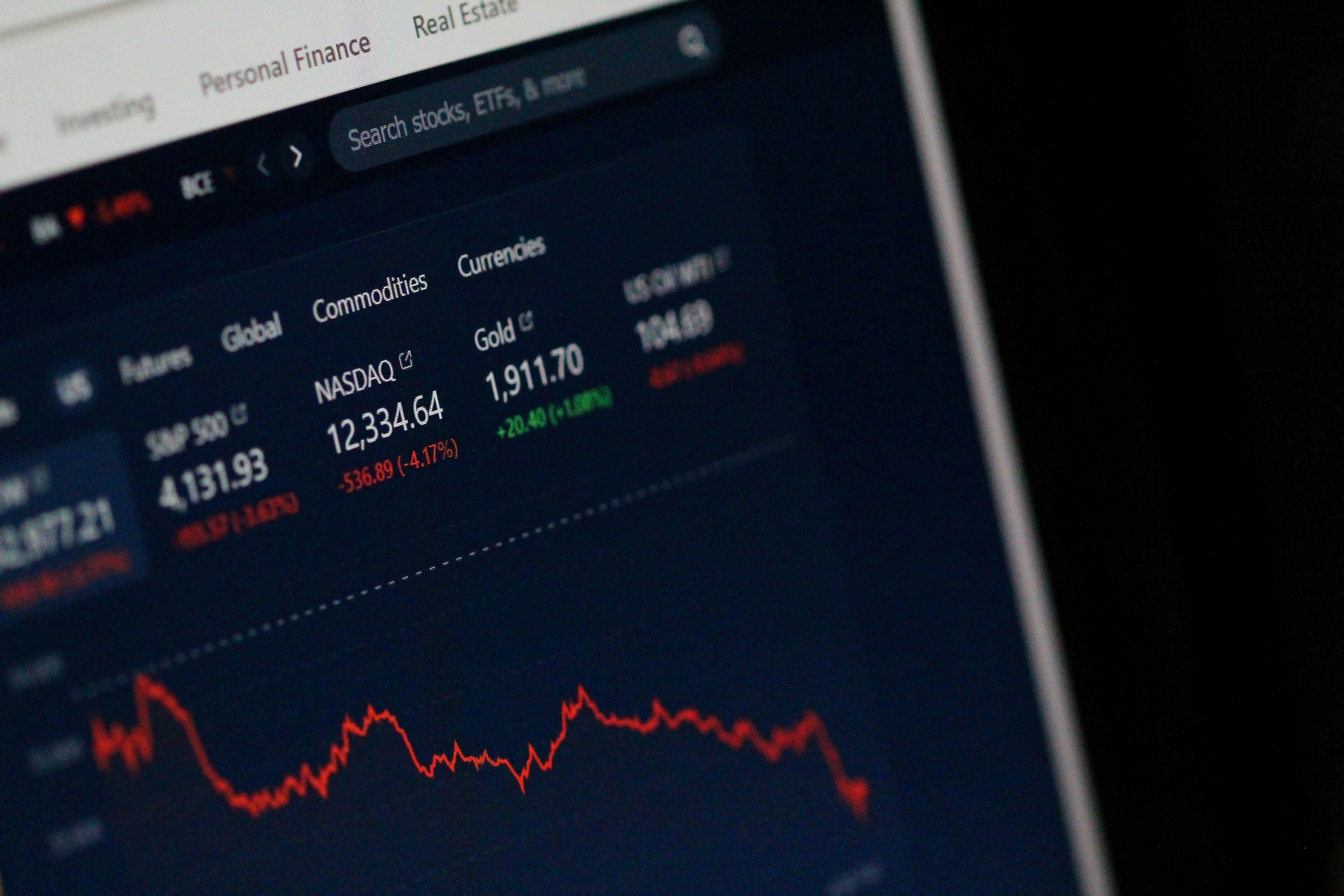
Market volatility can be significantly influenced by political rhetoric, particularly remarks from prominent figures such as former President Donald Trump regarding Federal Reserve Chair Jerome Powell. Trump’s public criticism of the Fed has fostered an environment of uncertainty, causing fluctuations in stock prices and interest rates. For instance, following Trump’s tweets or public statements questioning the Fed’s actions, the Dow Jones Industrial Average often reacted sharply, with notable daily shifts observable in both directions. This kind of volatility reflects changing investor sentiment, where market participants may rush to buy or sell stocks based on the perceived impact of these criticisms on monetary policy.
Furthermore, as the executive branch’s tension with the Federal Reserve escalates, investors have begun to question the independence of this crucial institution. The expectation that the Fed operates without political influence is foundational to its credibility. When high-ranking officials express dissatisfaction with the Fed’s decisions, it creates apprehension among investors regarding future policy measures, particularly in relation to interest rates. Data has shown a correlation between periods of direct criticism from Trump and changes in interest rate expectations, highlighting the bond market’s sensitivity to political statements which can lead to erratic pricing in bonds and equities alike.
In analyzing economic indicators, it is apparent that this volatility extends beyond immediate stock price movements. Broader economic measures, such as employment figures and GDP growth rates, have also shown signs of instability in times of heightened political rhetoric. The overarching concern among investors is the potential long-term ramifications for market stability, especially if they perceive the Federal Reserve being pulled into the political arena. Such perceptions could undermine trust and, in turn, impact economic growth, thereby creating a challenging environment for both policymakers and market participants alike.
Emerging Markets Outperforming U.S. Stocks
In recent months, emerging markets have exhibited noteworthy resilience and performance, particularly when juxtaposed against the backdrop of U.S. stocks. The MSCI Emerging Markets Index has rebounded significantly, recording an increase of nearly 8% since April 9. This remarkable uptick indicates a shifting dynamic in the global financial landscape, where factors such as economic growth, trade relations, and investor sentiment play vital roles in shaping market trajectories.
One of the primary drivers behind the outperformance of emerging markets can be traced to robust economic growth in several key regions. Countries like India, Brazil, and parts of Southeast Asia are experiencing accelerated growth rates, outpacing many developed economies. This growth is being fueled by increased consumer spending, government reforms, and infrastructural investments, making these emerging economies attractive for investors seeking higher returns. Furthermore, as global supply chains adapt to new realities, emerging markets are better positioned to capitalize on shifts in manufacturing and trade dynamics.
Trade dynamics also contribute significantly to the favorable performance of emerging markets. As geopolitical tensions shape global trade policies, many investors are exploring opportunities in markets that could benefit from shifts away from traditional supply chains, particularly those reliant on U.S. manufacturing. Additionally, the relative valuation of stocks in emerging markets compared to their U.S. counterparts has become increasingly appealing, suggesting that the potential for significant gains exists in these regions.
However, the investment landscape within emerging markets is not devoid of risks. Economic volatility, currency fluctuation, and political instability can impact market performance. Investors are thus advised to weigh these risks against the opportunities presented by emerging economies. Overall, the contrasting performance of emerging markets against U.S. stocks is essential for investors to consider in their portfolio strategies in the context of a changing global economy.
The Future of Federal Reserve and Market Relations
The evolving landscape between the Federal Reserve, the financial markets, and political entities remains a subject of keen interest and concern. Recent tensions have spotlighted the Fed’s role in economic stability, particularly amid President Trump’s ongoing critique of Fed Chair Jerome Powell. Trump’s assertions emphasize a desire for lower interest rates, suggesting that the central bank could play a more aggressive role in stimulating economic activity. As these dynamics unfold, the relationship between the Fed and the markets may face substantial shifts.
Current trends reveal a potential shift in the Fed’s approach to monetary policy, influenced by persistent political pressures. If Trump or future administrations maintain or intensify their calls for modification in monetary strategies, the Federal Reserve might have to navigate a complex interplay between fulfilling its dual mandate of maximizing employment and stabilizing prices while addressing the demands of political figures. This may lead to more frequent shifts in interest rates or adjustments in asset purchasing programs, which could significantly impact investor sentiment.
Moreover, if tensions escalate, we may see an emerging divide between the central bank’s autonomy and partisan expectations. Such developments could potentially destabilize market confidence, particularly in vulnerable sectors like emerging markets that heavily rely on foreign investment and stable economic environments. Investors will have to remain vigilant, adapting strategies to mitigate risks associated with fluctuating policy decisions. Essentially, understanding this nexus between political influence and regulatory frameworks will be crucial in formulating effective investment strategies amid the anticipated turbulence.
In conclusion, the future of the Federal Reserve and its interactions with the markets may enter a transitional phase shaped by political influences, impacting monetary policy and economic growth. As these relations evolve, equipping oneself with knowledge of potential scenarios will empower investors to navigate these unpredictable waters effectively.